The outlook for December, January and February:
Temperature:

Precipitation:
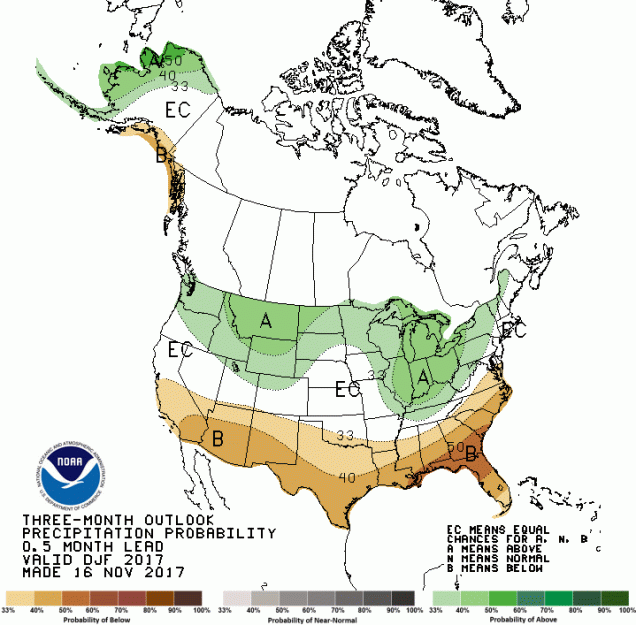
The outlook for December, January and February:
Temperature:
Precipitation:
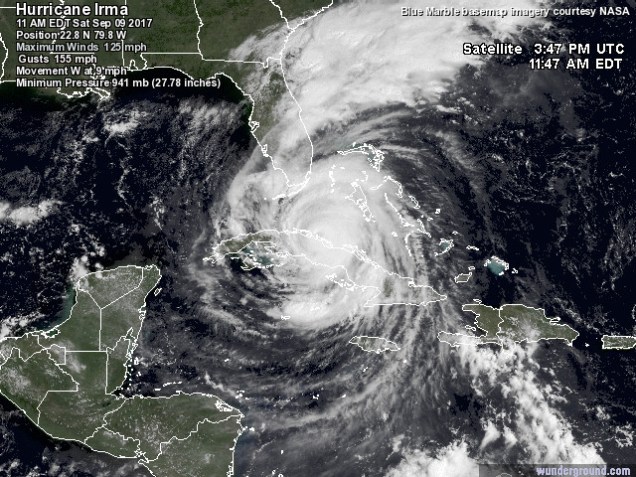 Sorry climate alarmists, but you can not blame this year’s major hurricanes on climate change, global warming or whatever you want to call it.
Posting on the Watts Up With That blog.
Prior to this season, there haven’t been any major hurricane landfalls in The United States since Wilma in 2005. This season is simply an anomaly. In fact, the frequency of major hurricanes has been decreasing.
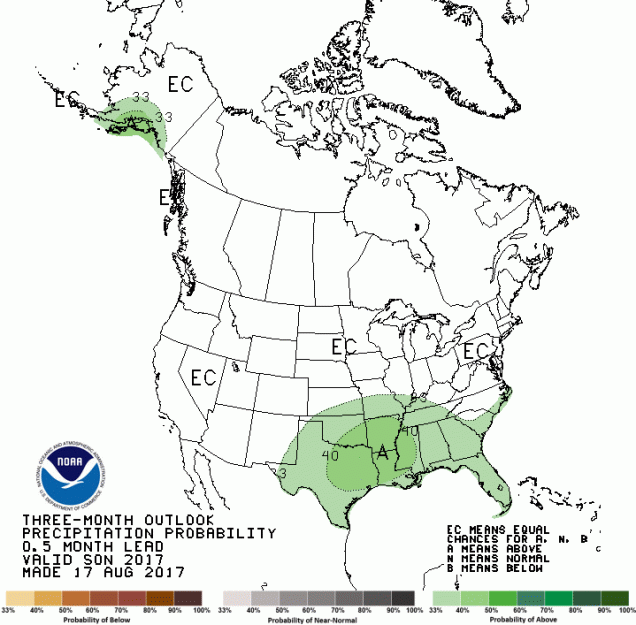
The outlook for September, October and November:
Temperature:
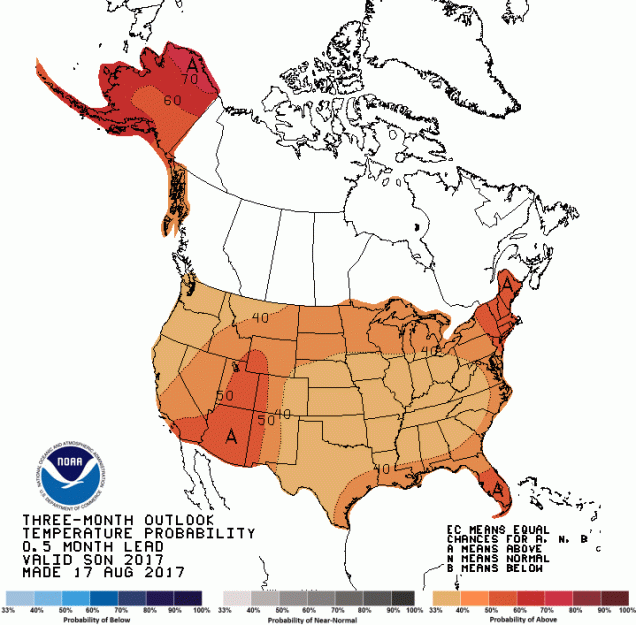
Precipitation:
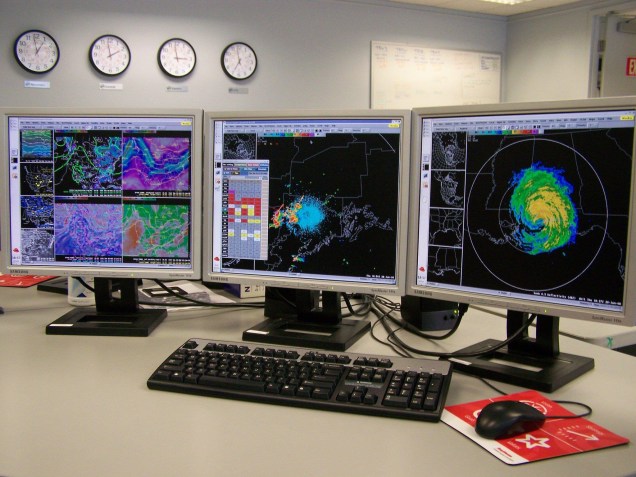 Meteorological summer has ended. Here is a summary of the summer’s weather in Stormstown, PA.
Overall, it was a cooler than average summer, especially during August. June was about a degree Fahrenheit below normal, July was near normal, and August was 3.3 degrees F below normal. There was only one day at or above 90 deg. F (91 F on June 13).
Precipitation was below normal for the most part, even though July was an inch above normal. The maximum single day rainfall was 1.33 inches on July 14.
Highest wind speed was 40 mph on August 19.
After the rainfall from yesterday and early this morning (1.10 inches), the annual precipitation is now at a surplus of 0.17 inches. Monthly precipitation has been below normal for January, February, March and April. May is not quite over, but the rainfall for the month is 1.74 inches above normal.

The outlook for the summer months of June, July and August indicates equal chances for a near normal amount of precipitation.
By Robert Tracinski I recently wrote about the wretched reporting on the claim that 2016 was the “hottest year on record,” using as my main example a New York Times article by Justin Gillis that gave his readers none of the relevant numbers they could use to evaluate that claim. None of them. If you…
Yes, where are the error bars?!
In a previous post, I talked about installing a new pyranometer to my weather station. Below is a graph of today’s solar radiation flux in W/m^2.
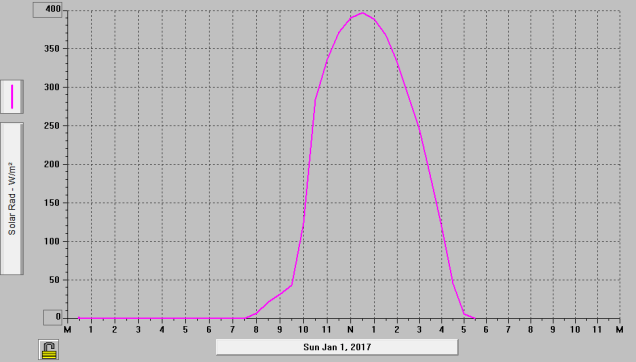
The graph clearly shows when the instrument was in shade (7:30 – 9:30 AM EST). Maximum value was after noon due to the fact that the longitude is about 3 deg west of the 75th meridian and because the equation of time for today is 3 minutes. The maximum solar elevation angle was about 28 deg. The optical depth of the atmosphere is significantly higher at such a low angle than if the sun was at zenith.
Rule 1 – Do not make the thoroughly discredited claim that 97% of scientists agree that humans are warming the globe significantly.
Rule 2 – Do not employ the use of an ad hominem, dismiss an argument solely based on its source or funding, or employ any other logical fallacies.
Rule 3 – Stay on topic. No strawman arguments.
Rule 4 – Answer questions.
Rule 5 – When you are wrong, admit it and apologize.
Rule 6 – There is no Rule 6
 Stormstown Dispatch