The village that is now called Stormstown was located on one of the area’s earliest roads. Laid out in 1791-92, the road served as a main route for the shipment of Centre County iron west to Pittsburgh. First settler Abraham Elder’s tavern, on the east end of the village, was a stopping place for iron haulers. In 1812 David Storm recorded a plat of 30 lots, plus a school lot, that he named Walkerville, on the west side of present-day Municipal Lane in the middle of Stormstown. The origin of the Walker connection has not yet been tracked down. Some twenty years after Walkerville was established, Caleb Way slowly started selling off lots between Walkerville and the former site of Elder’ tavern, in an area that was briefly called Wayville. Eventually, by the time of the Civil War, the whole area was called Stormstown. The enterprises of the village included a gristmill, sawmill, distillery, tannery, wagon maker, and several craftsmen’s shops – blacksmith, weaver, potter, and chairmaker.
On April 7, 1867, an Easter fire destroyed twenty-six buildings, many of which were never rebuilt. The fire started in George Matters house and in less than three hours, the entire portion of the town lying between the Port Matilda Road and Capt. Hunter’s residence, 2/3 of Stormstown was destroyed by fire. In addition to these losses, all the stables and outhouses on the south side of the street and east of the road to Pine Grove Mills were destroyed.
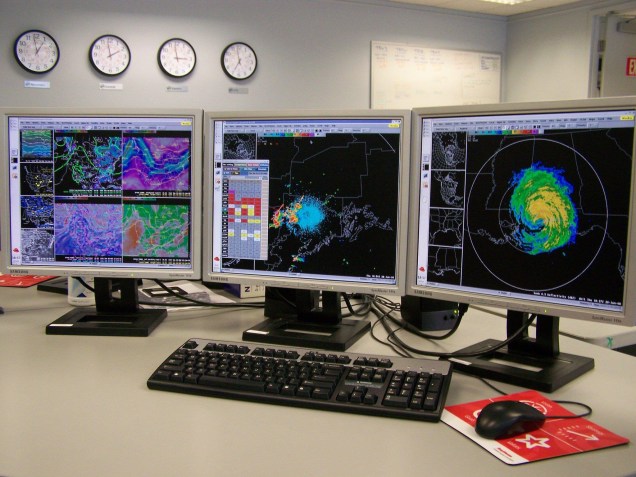 Meteorological summer has ended. Here is a summary of the summer’s weather in Stormstown, PA.

 Stormstown Dispatch