Forgotten Technology: Key Punch Cards

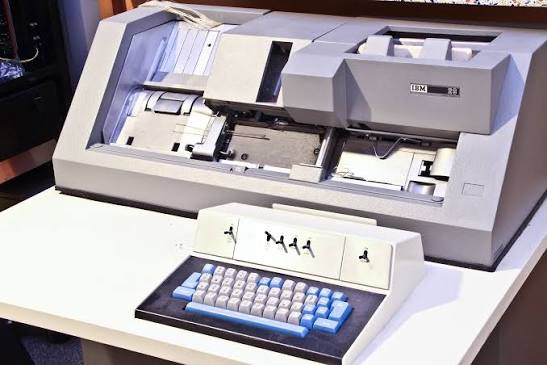
IBM 029 Keypunch Machine

In 1975, I began my first class in computer programming. The programming language we used was ForTran (formula translation). We wrote our programs with IBM 029 keypunch machines.
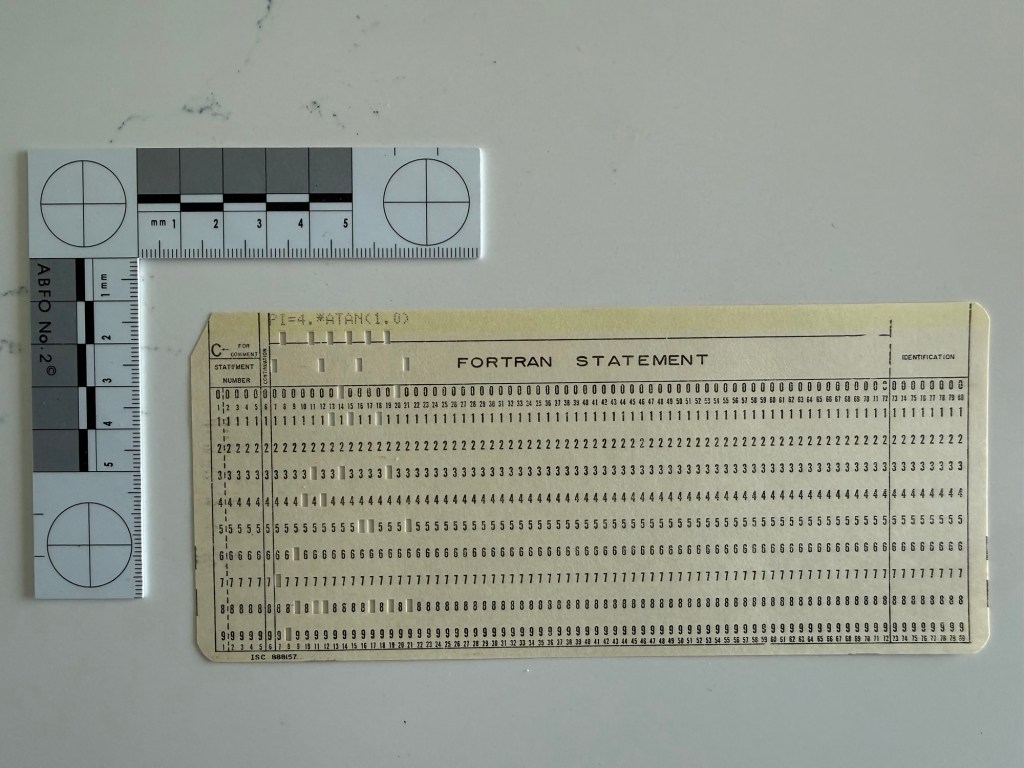
Hollerith Keypunch Card. This card was punched in 1978 in Hammond Building at Penn State University.

Code was punched on Hollerith cards. Up to 80 characters could be punched per card. The first 5 columns was for statement numbers. If a C was punched in the first column, what followed was a comment line. Column 6 was reserved for a continuation character for statements longer than could be punched on one card. Columns 7-72 was reserved for the ForTran statement. The last 8 columns were reserved for the card number.
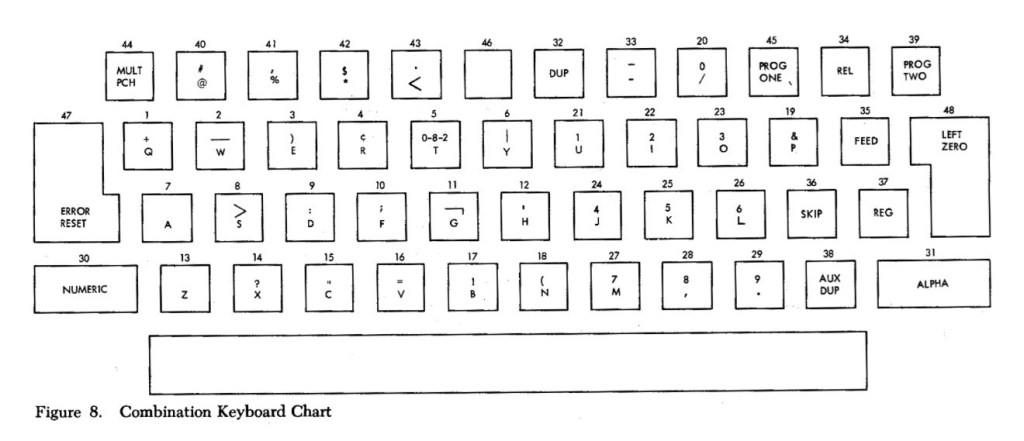
IBM 029 Keyboard

A stack of blank cards were placed in the right hopper. The AUTO FEED switch was set to ON, and then the FEED key was pressed twice twice to bring two cards down from the hopper. The first card was automatically registered to the punch station when the second card came down. A programming statement was then punched. The code was also printed at the top of the card. After punching a card, the REL key was pressed. The card moved to the output hopper on the left, the next card is registered at the punch station, and a new card comes down from the right hopper. When the last card was punched, the CLEAR switch was used to clear all the cards from the feed path and into the stacker.

Wise progammers would number their cards, using columns 73-80, in case a stack was accidentally dropped. Another trick was to use a marker to make a diagonal line acroos the stack from front to back. That made it easy to spot cards that were out of place in the stack.

The stack was then placed in a card reader for execution. A nearby printer would then print out the results. The program would be printed along with the program output. If successful, the execution output would be printed. Otherwise, there would be a printout of execution errors or compiling errors. The programmer would then punch replacement cards to fix the bugs and place them in the stack to try again.
Forgotten Technology: The Sling Psychrometer

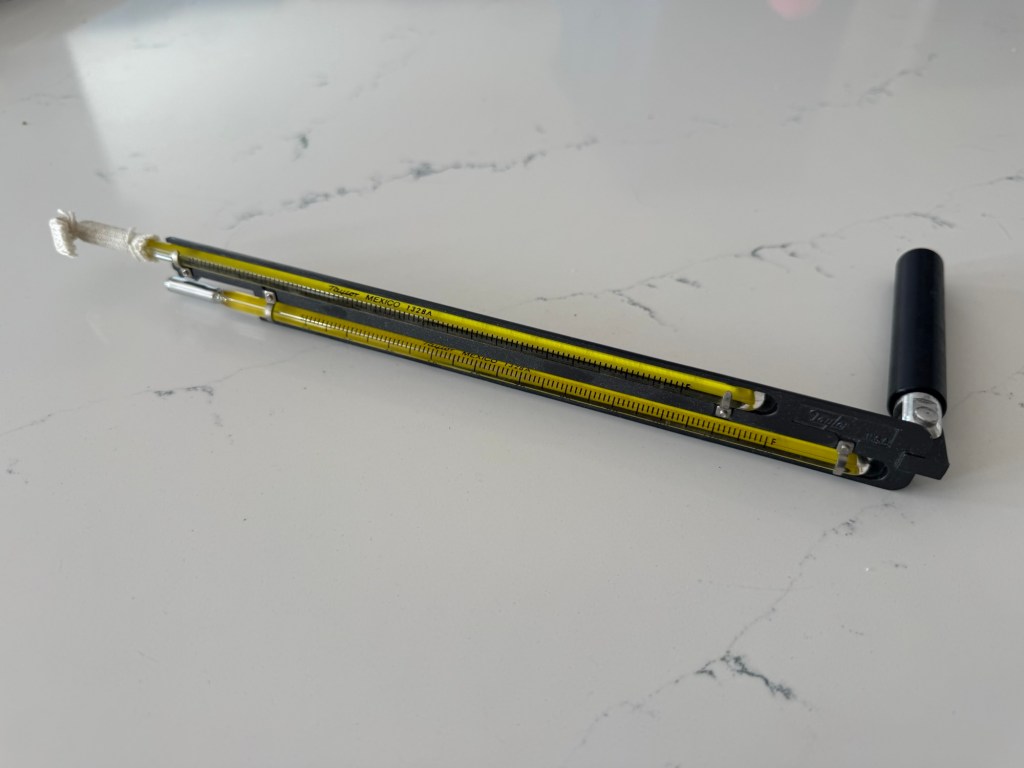
My personal sling psychrometer obtained in the mid 1970s.

Before electronic hygrometers became widely available, one of the primary instruments used to measure atmospheric humidity was the sling psychrometer.

James Hutton was the first to discover that a thermometer moistened by water will show a cooler temperature than a dry thermometer when exposed to the wind. Psychrometric equations were later developed and refined during the 19th Century.

The sling psychometer consists of two thermometers mounted side by side on a frame. One thermometer is kept dry and measures the ambient air temperature; this is known as the dry-bulb thermometer. The other thermometer has its bulb wrapped in a cotton wick that is saturated with distilled water. This is the wet-bulb thermometer.

The frame is attached to a handle with a swivel joint, allowing the thermometers to be rapidly swung through the air. As air passes over the wet wick, evaporation occurs, causing the temperature of the wet-bulb thermometer to decrease. The amount of cooling depends on the moisture content of the air. Drier air promotes more evaporation and produces a larger temperature difference between the wet-bulb and dry-bulb readings, while humid air results in less cooling.

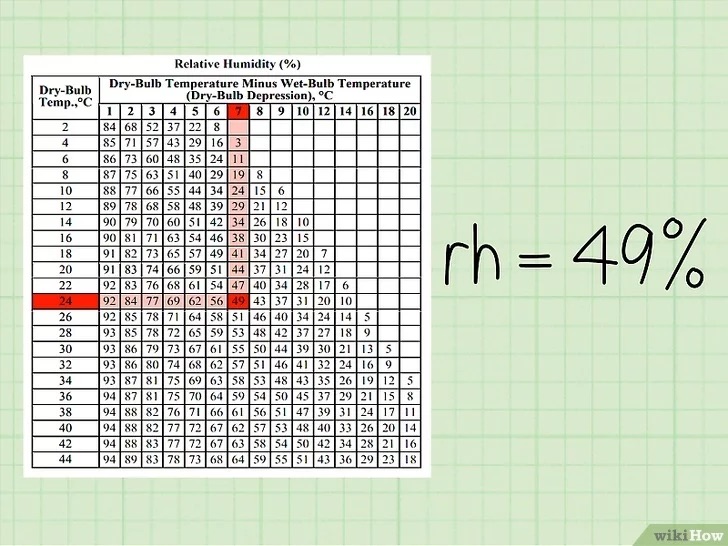
After the instrument has been spun for a sufficient period, the wet-bulb and dry-bulb temperatures are quickly recorded. Using psychrometric tables or charts, these readings can then be used to determine the relative humidity, absolute humidity, or dew point temperature.

Although modern electronic sensors have largely replaced sling psychrometers, the instrument remains an important teaching tool and a reliable reference standard for humidity measurements.

Forgotten Technology: The Campbell-Stokes Sunshine Recorder

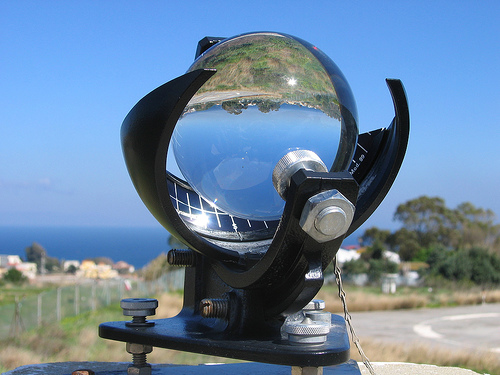
Before electronic and digital sunshine sensors became available, daily sunshine duration was measured using the Campbell–Stokes sunshine recorder.

The first sunshine recorder was invented by John Francis Campbell in 1853 and later refined by George Gabriel Stokes in 1879. Campbell’s original design used a water-filled glass sphere that focused the Sun’s rays onto a wooden surface. The instrument was carefully aligned for the local latitude and the ecliptic so that the time scale corresponded with solar time. The water-filled sphere was later replaced with a solid glass sphere, but the repeated scorch marks on the wooden surface made the original design impractical.

To improve the instrument, a specially designed photosensitive card was introduced. The glass sphere concentrated the Sun’s rays onto the card, burning a hole when the sunlight was sufficiently intense and leaving only a scorch mark under weaker conditions. As the Sun moved across the sky, the burn or scorch trace progressed across the card, creating a record of the day’s sunshine. At the end of the day, the card was removed and examined. The length of the burn trace was measured to determine the duration of bright sunshine, while the appearance of the marks provided a rough indication of solar intensity.

Although the Campbell–Stokes recorder was a significant advance for its time and served as the international standard for many decades, it had several limitations. The Sun’s rays at sunrise and sunset were often too weak to burn the card, causing sunshine during those periods to go unrecorded. Intermittent sunshine produced broken or faint burn traces that required subjective interpretation, leading to inconsistencies between observers. In addition, rain could damage the recording card, while frost, ice, snow, or condensation on the glass sphere could reduce its ability to focus sunlight accurately, resulting in measurement errors.